Guide
Navigating the Evolving Landscape of Digital Biomarkers in Clinical Trials: A 2026 Guide
Digital biomarkers in clinical trials 2026: regulatory guidance, wearable devices, neurology applications, and go/no-go frameworks for biotech founders and clinical teams.
Clinical Trial OS · · Updated · 9 min read
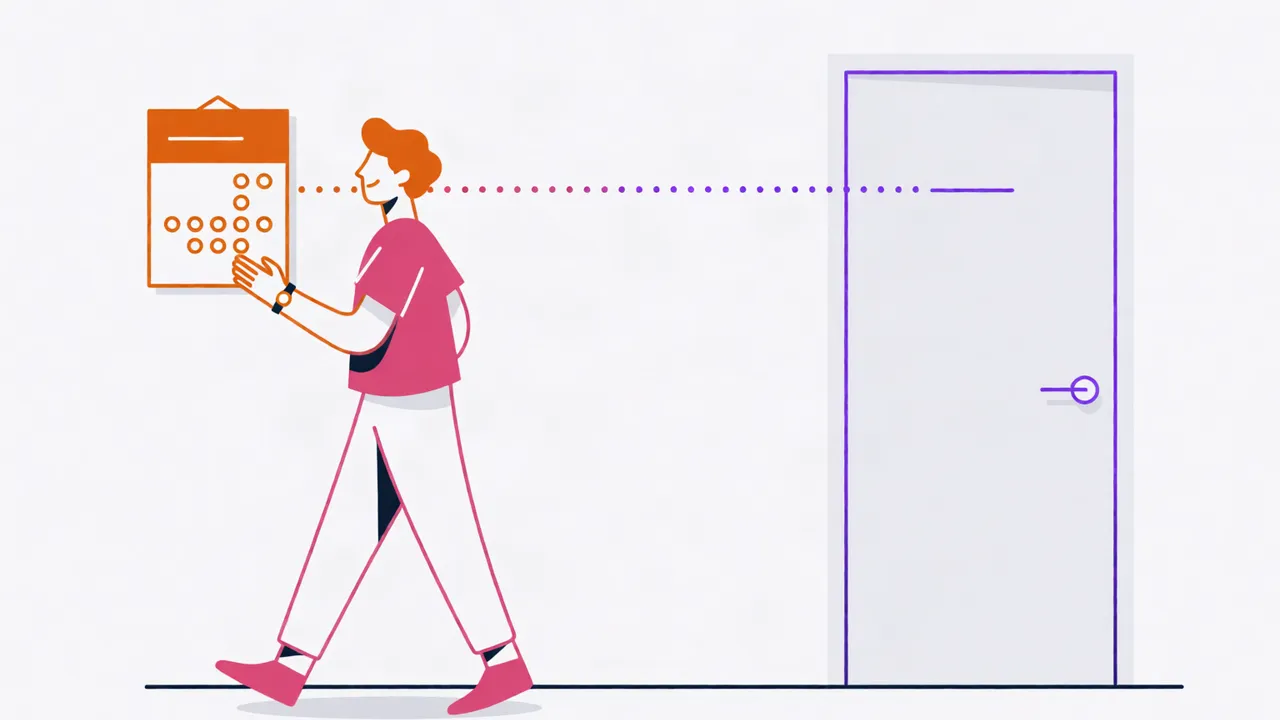
Digital biomarkers are objective, continuous measures captured by digital health technologies—wearables, sensors, and connected apps—outside the clinic. More than 574,390 studies are indexed in public trial registries BiomedArticles’ clinical trial search, yet most still depend on episodic site visits. In 2026, closing that gap is a feasibility decision, not just a technology choice.
Key takeaways
- Digital biomarkers capture continuous, real-world data between site visits, which can reduce reliance on episodic assessments but adds data-management complexity.
- FDA and related guidance evaluate digital health technologies for a specific context of use; validation remains the sponsor’s responsibility, not the vendor’s.
- Neurology leads adoption because gait, tremor, and sleep fluctuate daily and are poorly captured by quarterly clinic visits.
- AI can clean noisy sensor streams and detect patterns, but it cannot create analytical validity where none exists.
- A digital biomarker belongs in a go/no-go gate only if it changes sample size, duration, or the decision criteria themselves.
What Are Digital Biomarkers, and Why Do They Matter in 2026?
A digital biomarker is a characteristic collected via digital health technologies that is measured and interpreted as an indicator of normal biological processes, pathogenic processes, or response to an intervention. Unlike a traditional biomarker drawn during a clinic visit, it can be captured continuously in a patient’s home environment. VivoSense describes digital biomarkers as measures derived from digital sensors, which distinguishes them from laboratory or imaging biomarkers.
I have seen teams treat “digital biomarker” as a synonym for “anything a smartwatch records,” which is a mistake. A step count is data; it becomes a biomarker only when it is linked to a clinical outcome through validation. In 2026, the argument for using them is strongest when the disease signature varies between visits—motor fluctuations in Parkinson’s, seizure frequency, or glucose variability—because episodic assessments miss the signal that continuous monitoring catches.
The trade-off is noise. Continuous streams generate orders of magnitude more data points than a clinic visit, and most of that noise has nothing to do with the disease. My rule of thumb is: if you cannot define the clinical question the digital measure answers before you select the device, you are collecting data, not running a trial.
Regulatory Landscape: FDA Guidance and Validation for Digital Biomarkers (2025-2026 Updates)

FDA does not approve a blanket category called “digital biomarkers.” It evaluates whether a digital health technology is fit for a specific context of use and whether the data it produces are analytically valid (the device measures what it claims) and clinically valid (the measurement predicts or relates to the clinical outcome). An August 2025 ACRP article on digital biomarkers in trials reinforces that validation remains the sponsor’s responsibility, not the device vendor’s.
In practice, this means if you are using a consumer smartwatch to measure gait speed as a secondary endpoint, you need evidence that the watch’s algorithm performs in your patient population, not just in the vendor’s validation study. If the digital measure is a primary endpoint supporting a regulatory claim, the bar is closer to a clinical outcome assessment: you need patient input, clinician input, or performance-based evidence showing the score means something to patients and clinicians.
I have watched sponsors delay filings because they assumed the wearable vendor’s CE mark or FDA clearance covered their trial endpoint. It does not. Clearance usually covers the device’s general intended use, not your specific protocol. My advice is to build the validation plan into the protocol before device selection, not after the data are locked.
Wearable Devices in Clinical Trials 2026: Devices, Data Collection, and Trends
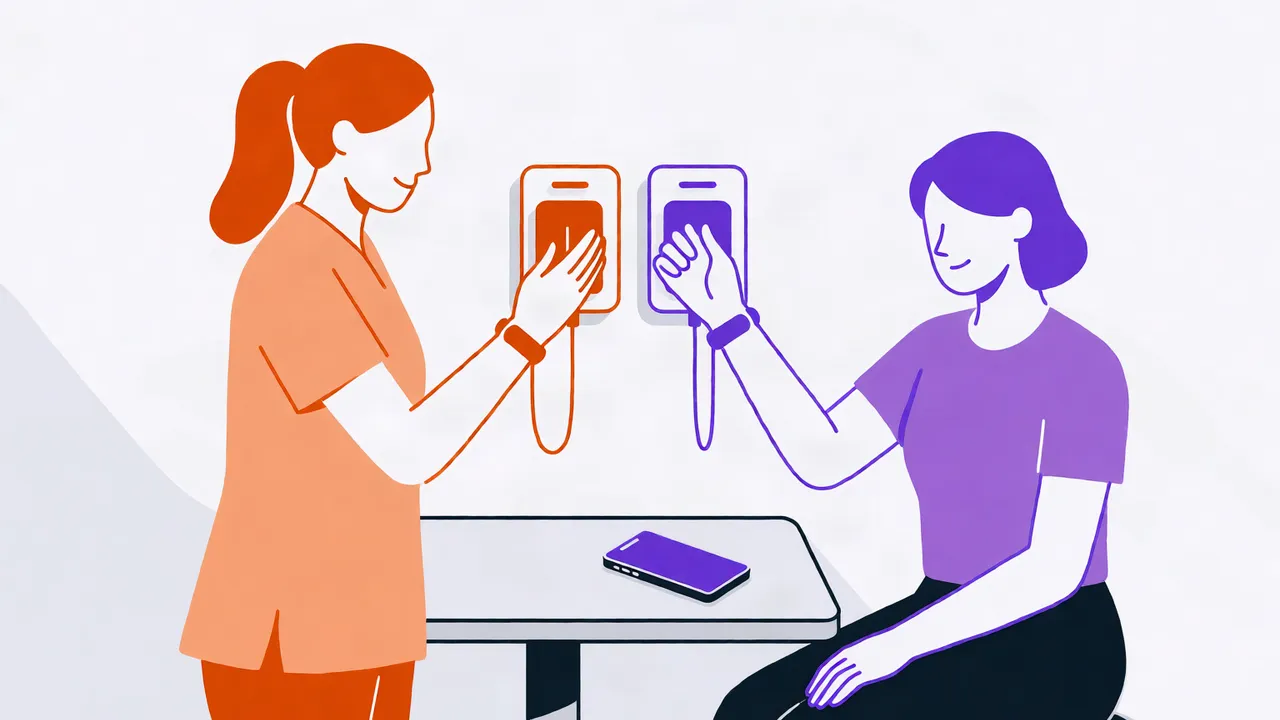
Wearable devices in 2026 trials range from consumer smartwatches to research-grade actigraphs and adhesive ECG patches, and the choice changes what data you can defend in a regulatory filing. Consumer devices offer scale and patient familiarity; research-grade devices offer validated algorithms and raw-data access.
| Device class | Common measures | Best fit | Key trade-off |
|---|---|---|---|
| Consumer smartwatch | Heart rate, steps, sleep | Engagement, exploratory endpoints | Limited raw data, algorithm changes without notice |
| Research-grade actigraph | Activity, rest-activity cycles | Neurology, obesity, fatigue | Higher cost, greater patient burden |
| Adhesive patch | ECG, respiratory rate, temperature | Cardiac safety, continuous monitoring | Skin irritation, short wear window |
| Clinical-grade sensor | Gait, tremor, balance | Parkinson’s, MS, post-stroke | Requires training, site setup, higher per-unit cost |
The trend I am watching is the shift from “bring your own device” to site-issued, managed devices. BYOD lowers upfront cost but creates a support nightmare when patients’ operating systems update mid-trial and the app stops syncing. For phase 2 and 3, I now recommend site-issued devices with a standardized charging and docking protocol, even if it adds to the budget. Clinical ink is one example of a vendor offering digital biomarker technology, including tools such as GlucoseReady®, SPUR™, and EDCXtra™, but the platform matters less than whether the data stream maps to your endpoint.
Digital Biomarkers in Neurology and Other Therapeutic Areas
Neurology is where digital biomarkers have moved fastest because many disease signs—gait, tremor, speech, sleep—fluctuate daily and are poorly captured by a once-every-three-months clinic visit. In Parkinson’s disease, continuous motor monitoring can detect changes between visits that a UPDRS score might average away. In multiple sclerosis, digital dexterity and gait measures can capture progression that the EDSS scale is too coarse to see.
Outside neurology, digital biomarkers are appearing in respiratory trials (inhaler usage and peak flow), cardiology (heart rate variability and arrhythmia burden), and diabetes (continuous glucose metrics). Clinical ink’s digital biomarker suite includes diabetes-focused tools such as GlucoseReady®, which illustrates how device vendors are tailoring platforms to specific therapeutic areas.
My caution here is therapeutic humility. A digital endpoint that works in Parkinson’s may fail in depression because the behavioral signal is noisier and the patient population has higher device abandonment. Do not import a neurology validation package into a psychiatry trial without re-running the clinical validation in your own population.
Real-World Data and Digital Biomarkers
Real-world data from wearables is not automatically trial-ready. The same sensor stream that supports a feasibility analysis can fail as an endpoint if provenance, missingness, and device drift are not controlled. I treat RWD from digital biomarkers as a screening layer—useful for understanding patient behavior and site feasibility—rather than a primary endpoint, unless the validation package is already in place.
This distinction matters for feasibility. If you are using real-world wearable data to estimate how many eligible patients exist in a region, you need to know what proportion of that population actually wears a compatible device and keeps it charged. That is a different calculation than counting clinic sites. I have written about sourcing and applying real-world data in our feasibility guide, and the same sourcing rigor applies to digital biomarker streams.
Patient Engagement and Wearable Technology in Clinical Trials
The best digital biomarker is the one patients actually wear, and adherence drops fast when devices require nightly charging, daily syncing, or uncomfortable placement. Engagement is a design problem, not a compliance problem.
Practical factors that determine whether patients keep wearing a device:
- Battery life: anything under three days creates measurable drop-off in ambulatory trials.
- Onboarding: patients need a live walkthrough, not a PDF.
- Data visibility: patients who can see their own trends stay engaged longer than those feeding data into a black box.
- Aesthetics and stigma: a medical-looking patch on a visible body part reduces adherence in younger or image-conscious populations.
I have seen excellent digital biomarker designs fail because the patient burden was an afterthought. If you are recruiting patients with limited mobility or low digital literacy, the wearable itself becomes an exclusion criterion. For more on recruitment design that accounts for this, see our guide on patient recruitment in 2026.
Continuous Patient Monitoring in Clinical Trials: Practical Implementation
Continuous monitoring changes the statistical and operational assumptions of a trial. You move from scheduled visits to streaming data, which means your data management plan must handle missingness, time-zone drift, and device non-wear before the first patient is enrolled.
Implementation checklist:
- Define the wear-time threshold for a valid day (e.g., ≥10 hours, ≥4 days per week).
- Specify how missing data will be handled in the statistical analysis plan—imputation, mixed models, or per-protocol.
- Establish a device replacement and shipping logistics plan for multi-site trials.
- Build a dashboard for site staff to flag non-adherence in near real time, not at database lock.
- Plan for alarm fatigue: continuous monitoring generates alerts; someone must triage them or they become background noise.
I have learned this the hard way: a protocol that promises “continuous monitoring” without a missing-data plan produces a dataset that reviewers pick apart. Define the rules up front.
AI in Digital Biomarker Analysis: Separating Signal from Noise
AI can clean noisy sensor streams and detect patterns humans miss, but it cannot create validity where none exists. An algorithm trained on poorly labeled data produces a precise but meaningless digital endpoint.
In 2026, the most honest use of AI in digital biomarker analysis is signal processing: removing motion artifact from PPG streams, segmenting sleep stages, or identifying tremor episodes in accelerometer data. The less honest use is letting a black-box model define the endpoint itself. Regulators are increasingly skeptical of endpoints that cannot be explained or reproduced.
We treat AI as a preprocessing layer, not a decision layer. If you are considering AI for your digital biomarker pipeline, ask whether the model’s output can be traced back to a clinically interpretable feature. If it cannot, it is not ready for a primary endpoint. For more on where AI actually adds value in feasibility, see our hype-versus-reality review.
Digital Biomarkers and Go/No-Go Decisions: Impact on Trial Design
In my view, a digital biomarker should only appear in a go/no-go framework if it changes the sample size, duration, or decision criteria of the trial. If it is exploratory, it belongs in a secondary objective, not in the feasibility gate.
A digital biomarker can shrink sample size when it reduces measurement variability—for example, using continuous gait speed instead of a single clinic walk test. It can shorten trial duration when it detects an efficacy signal earlier than the clinical endpoint. But it can also kill a trial if the device failure rate is higher than expected or if the data do not correlate with the clinical outcome.
Before you commit to a digital endpoint, run a feasibility check: does the measurement add decision-relevant information, or does it just add data? If you cannot answer that, the biomarker is a cost center, not a de-risking tool. This is exactly the kind of question our six-pillar feasibility assessment is built to answer, with every figure cited to its public source. You can see how it works at Clinical Trial OS.
FAQ
What counts as a digital biomarker in a clinical trial?
A digital biomarker is an objective measure captured by digital health technology—such as a wearable, sensor, or connected app—that indicates a biological state, disease process, or treatment response. It becomes a biomarker only when linked to a clinical outcome through validation, not simply because a device records it.
Do digital biomarkers need FDA approval before use in a trial?
Not necessarily. FDA evaluates whether the digital health technology is fit for its intended context of use and whether the data are analytically and clinically valid. Device clearance does not automatically cover your specific trial endpoint; the sponsor must validate the measure for the protocol.
Can wearable data replace clinic visits in phase 2 or 3 trials?
Sometimes, but only if the regulatory endpoint is accepted and the missing-data, adherence, and validation plans are robust. Most trials in 2026 use wearables to complement, not replace, clinic visits, especially for primary endpoints.
How does AI change digital biomarker validation?
AI can improve signal processing and pattern detection in noisy sensor data, but it does not substitute for analytical or clinical validation. An algorithm must be trained on well-labeled data, and its output must remain interpretable to regulators and clinicians.
Should early-stage biotechs use digital biomarkers in first-in-human studies?
Only if the digital measure addresses a specific go/no-go question and the operational burden is manageable. For many first-in-human studies, the added complexity of device logistics and data validation outweighs the benefit unless the disease signal is highly variable between visits.
Next
Related reading
- The True Cost of Protocol Amendments: Strategies for Minimizing Delays and Budget Overruns in 2026
- Decentralized Clinical Trials: Navigating the Regulatory and Operational Realities in 2026
- The Evolving Role of AI in Clinical Trial Site Selection: A 2026 Perspective
- Risk-Based Monitoring in 2026: Beyond Compliance to Predictive Quality
See a verdict you can actually check.
Send us a protocol — or just a molecule and an indication. We'll return a fully cited feasibility assessment you can trace, line by line, back to public data — yours to defend in a bid, take to your board or investment committee, or hand to a regulator.