Guide
Beyond the Bid: Mastering CRO Feasibility & Bid Defense in 2026
Master CRO bid defense 2026 with expert strategies on feasibility, AI tools, and ICH E6(R3) compliance. Ensure successful partnerships and trial outcomes.
Clinical Trial OS · · 5 min read
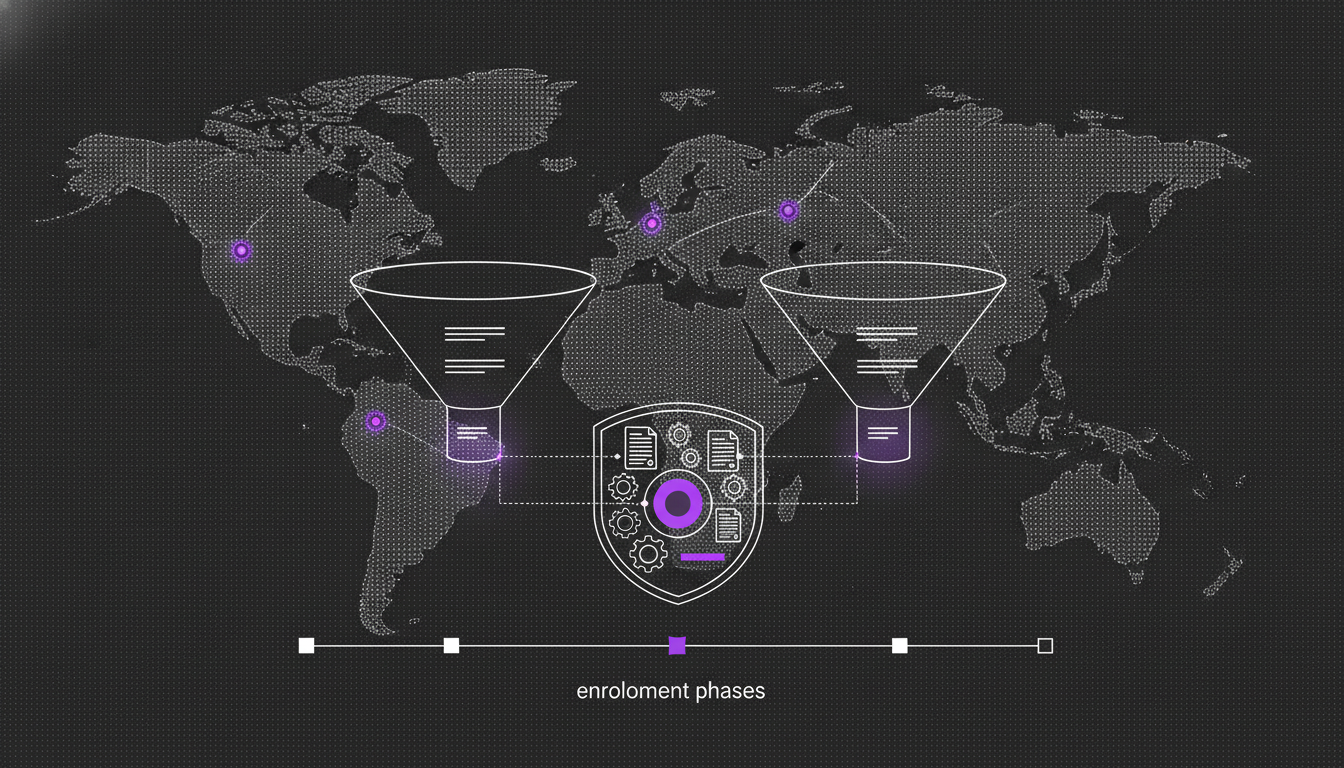
Winning a CRO contract in 2026 requires moving beyond price comparisons to rigorous feasibility validation. You must demand evidence-based site selection and clear adherence to ICH E6(R3) during bid defense meetings.
Key takeaways
- Feasibility data must drive site selection, not historical averages.
- Bid defense meetings should focus on operational risk, not just timelines.
- AI tools are now standard for validating recruitment projections.
What's Changed in CRO Bid Defense for 2026?
The landscape shifted from cost-centric negotiations to risk-based operational validation. Sponsors now prioritize data-backed feasibility over generic promises to reduce trial failure rates.
In 2026, the focus is on transparency. Regulatory expectations like ICH E6(R3) demand greater oversight of data integrity and patient safety. This changes the bid defense dynamic. You are no longer just selecting a vendor; you are choosing a partner who can navigate complex compliance environments. Clinical experts note that defenses now require detailed operational plans rather than high-level commitments [https://www.clinicaltrialsarena.com/comment/bid-defenses-considerations-and-best-practices-5921565-2/]. We see sponsors asking for specific risk mitigation strategies for every major trial phase.
How Do You Evaluate CRO Feasibility for RFPs?
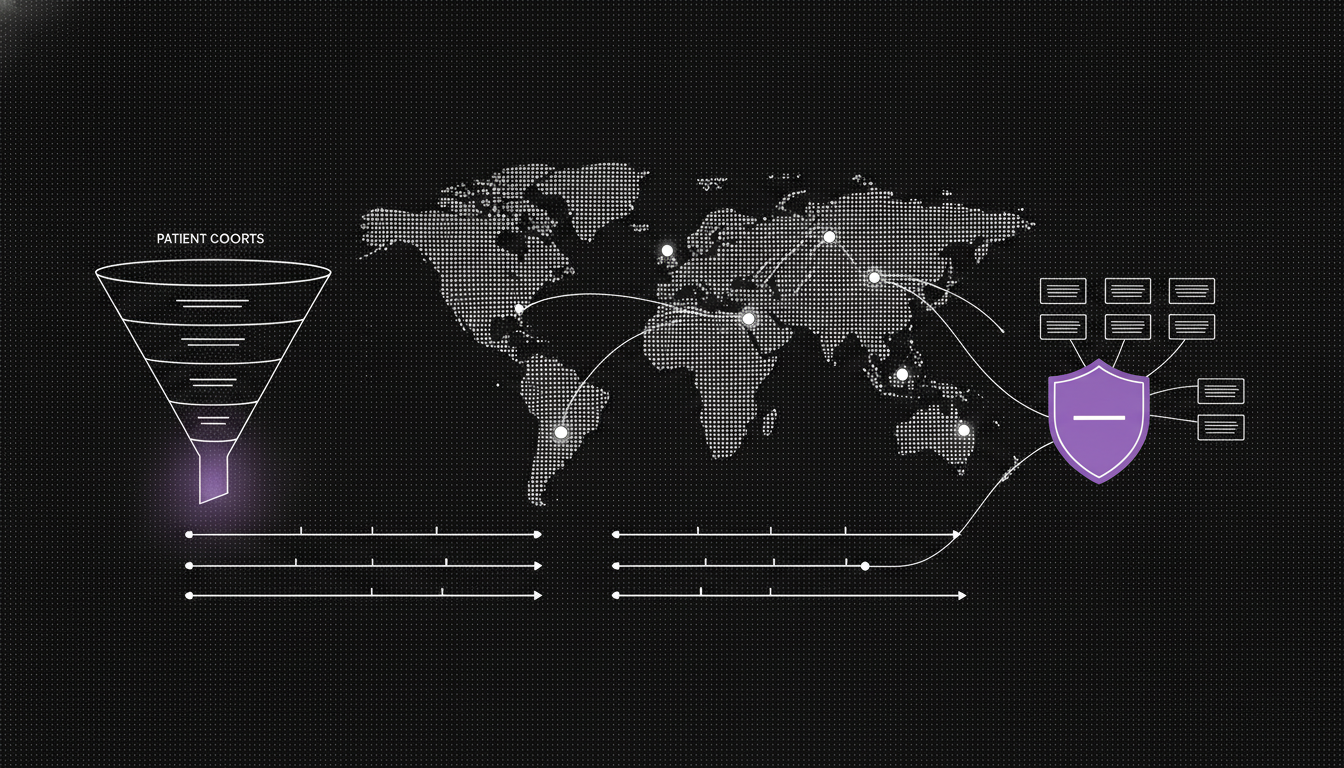
Feasibility is not a checkbox; it is a statistical probability derived from site-specific data. You need to see the underlying patient population match for your protocol.
Many CROs still use broad estimates based on past study counts. This is insufficient for modern trials with narrow eligibility criteria. You must request data on active patient volumes at proposed sites. At Clinical Trial OS, we advocate for real-world data checks before finalizing RFPs. If a CRO cannot show site-level recruitment history or local market analysis, their timeline is likely optimistic. Validate that they have access to current site performance metrics.
What Are the Key Elements of a Winning Bid Defense Presentation?
A winning presentation details specific site capabilities and risk mitigation plans. It avoids vague commitments and focuses on measurable deliverables.
CROs should present a detailed timeline with dependencies mapped out. They must explain how they will handle protocol deviations or recruitment shortfalls. Guides on winning contracts emphasize that clarity on resource allocation is key [https://intuitionlabs.ai/articles/bid-defense-meetings-cro-guide]. Avoid presentations that rely heavily on generic success stories. Instead, look for customized strategies that address your specific therapeutic area challenges. The goal is to see how they think, not just what they promise.
How Can Sponsors Maximize Value from Bid Defense Meetings?
Treat the meeting as a stress test for the proposal. Ask for granular data on recruitment bottlenecks before signing.
Do not let the meeting become a sales pitch. Prepare specific questions about their standard operating procedures for data query resolution. Ask how they manage site relationships during peak enrollment periods. You should also inquire about their backup plans for sites that underperform. This approach forces the CRO to reveal their operational depth. It separates firms with robust infrastructure from those relying on ad-hoc solutions. Your time is valuable; use it to uncover hidden risks.
How Does AI Impact CRO Selection Criteria?
AI tools now validate recruitment timelines against real-world enrollment data. They reduce reliance on optimistic manual estimates.
In 2026, advanced analytics are expected to support feasibility claims. Look for CROs that integrate predictive modeling into their bidding process. These tools analyze patient search patterns and site activity to forecast enrollment more accurately. However, treat AI outputs as directional. They should complement clinical judgment, not replace it. Verify the data sources powering these models. If a CRO uses AI to justify aggressive timelines, ask for the underlying parameters. This ensures the technology is driving value rather than masking uncertainty.
What Should You Know About Contract Negotiations and Partnership Alignment?
Contracts must reflect operational realities, not just commercial terms. Align incentives on patient retention and data quality.
Standard fee-for-service models often fail to address performance risks. Consider outcome-based clauses where payments are tied to enrollment milestones or data quality metrics. This aligns the CRO's goals with your trial success. Ensure the contract clearly defines roles for regulatory submissions and safety reporting. Ambiguity here leads to friction during the trial. A strong partnership agreement includes regular review points to assess progress against the bid defense promises.
What Are the Common Pitfalls to Avoid in CRO Bid Defense?
Avoid accepting generic recruitment plans without site-specific validation. Do not overlook the impact of eligibility criteria on enrollment.
One frequent error is assuming that previous success in a therapeutic area guarantees future results. Trial protocols differ significantly. Another pitfall is ignoring the CRO's local presence in key regions. Without strong regional relationships, site activation will suffer. Also, be wary of proposals that lack contingency plans for regulatory delays. In our experience, the most successful partnerships are those where both parties acknowledge potential friction points early.
| Feature | High Quality Bid | Low Quality Bid |
|---|---|---|
| Site Data | Specific performance metrics | Historical averages |
| Timeline | Detailed dependencies | High-level estimates |
| Risk Plan | Mitigation strategies | Generic statements |
| AI Usage | Validated predictive models | Unverified claims |
What Is the Future of Sponsor-CRO Collaboration?
Collaboration will shift toward shared risk models and continuous data sharing. Partnerships will be dynamic, not static agreements.
The industry is moving away from transactional relationships. Future collaborations will rely on integrated platforms that allow real-time visibility into trial progress. This transparency helps sponsors make faster go/no-go decisions. It also enables proactive management of patient retention. We expect more sponsors to demand interoperability between their systems and CRO tools. This reduces manual reporting and increases data integrity.
FAQ
How do I prepare for a CRO bid defense meeting?
Prepare specific questions about operational risk, site selection logic, and contingency plans. Review their past performance data thoroughly before the meeting.
What criteria should I use for CRO selection?
Prioritize feasibility data accuracy, regulatory compliance history, and alignment with your protocol complexity over price alone.
What is the impact of ICH E6(R3) on bid defenses?
ICH E6(R3) requires greater emphasis on risk-based monitoring and data quality. CROs must demonstrate how they will meet these standards.
How can AI help in CRO bid defense?
AI can validate recruitment timelines using real-world data. Use it to challenge optimistic projections provided in proposals.
What are common mistakes in CRO proposal evaluation?
Relying on generic timelines and ignoring specific site-level patient availability. Always verify the source of recruitment claims.
For a deeper look at clinical trial feasibility and site selection tools, visit Clinical Trial OS at https://www.clinical-trial-os.com. We provide decision support to help you validate these claims before you commit.
Sources
See a verdict you can actually check.
Send us a protocol — or just a molecule and an indication. We'll return a fully cited feasibility assessment you can trace, line by line, back to public data — yours to defend in a bid, take to your board or investment committee, or hand to a regulator.